Mogadishu Trunk Drainage


A strategic intervention to improve the city's hydraulic resilience
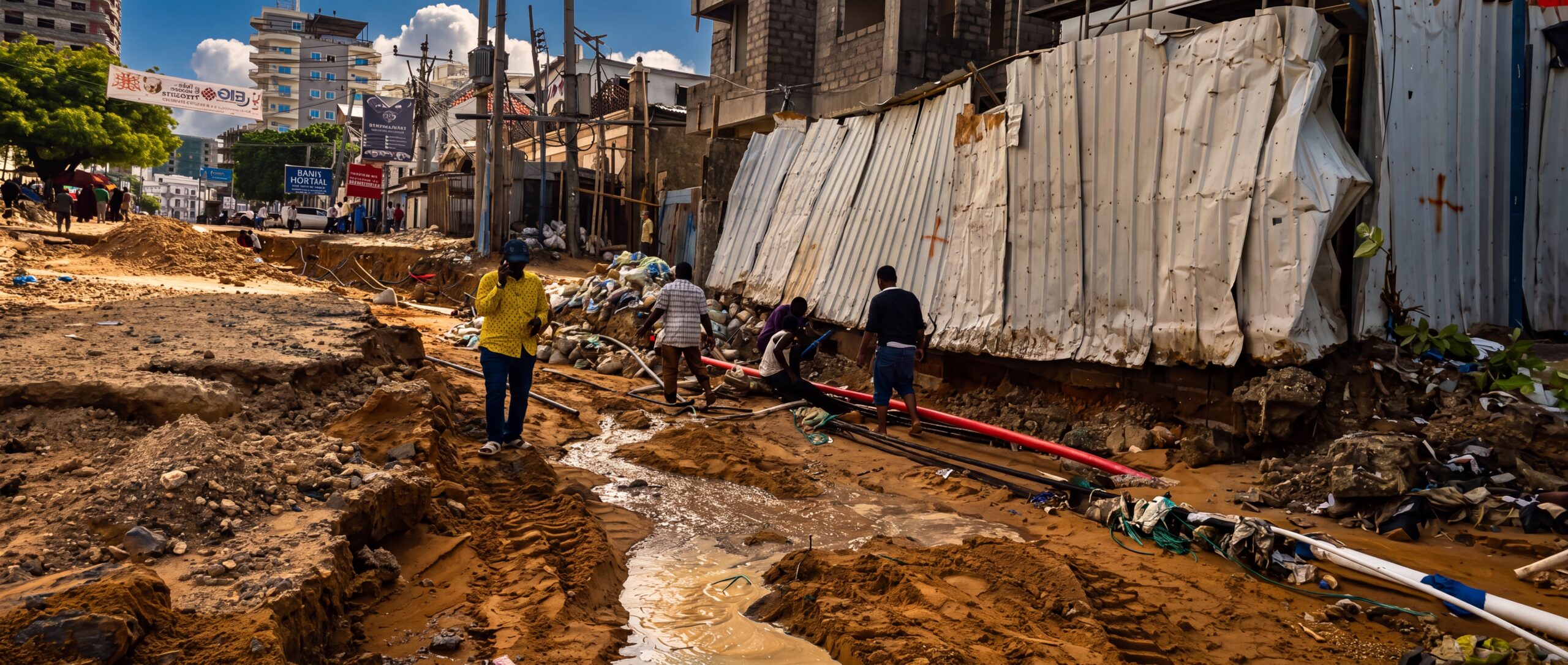
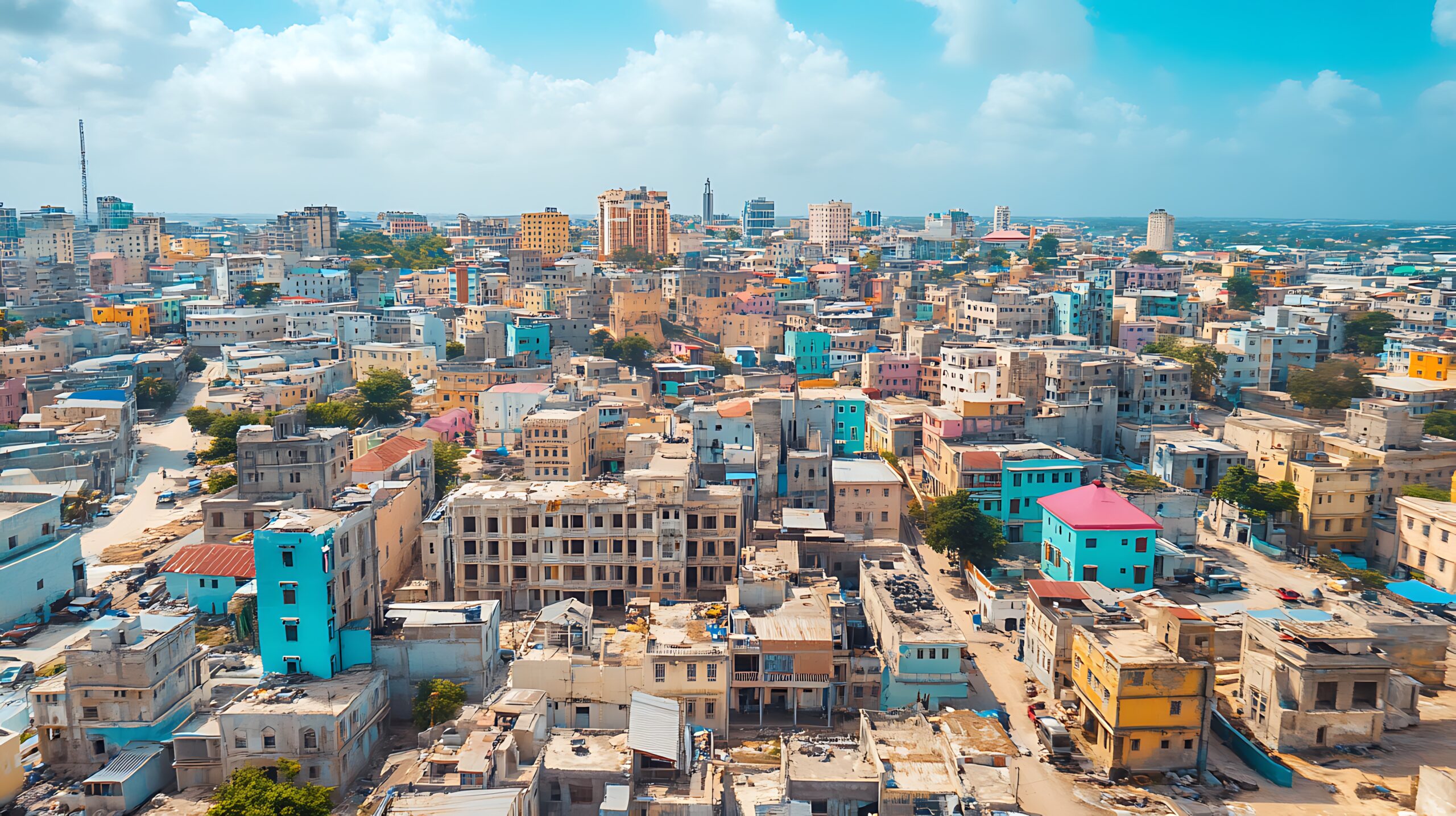
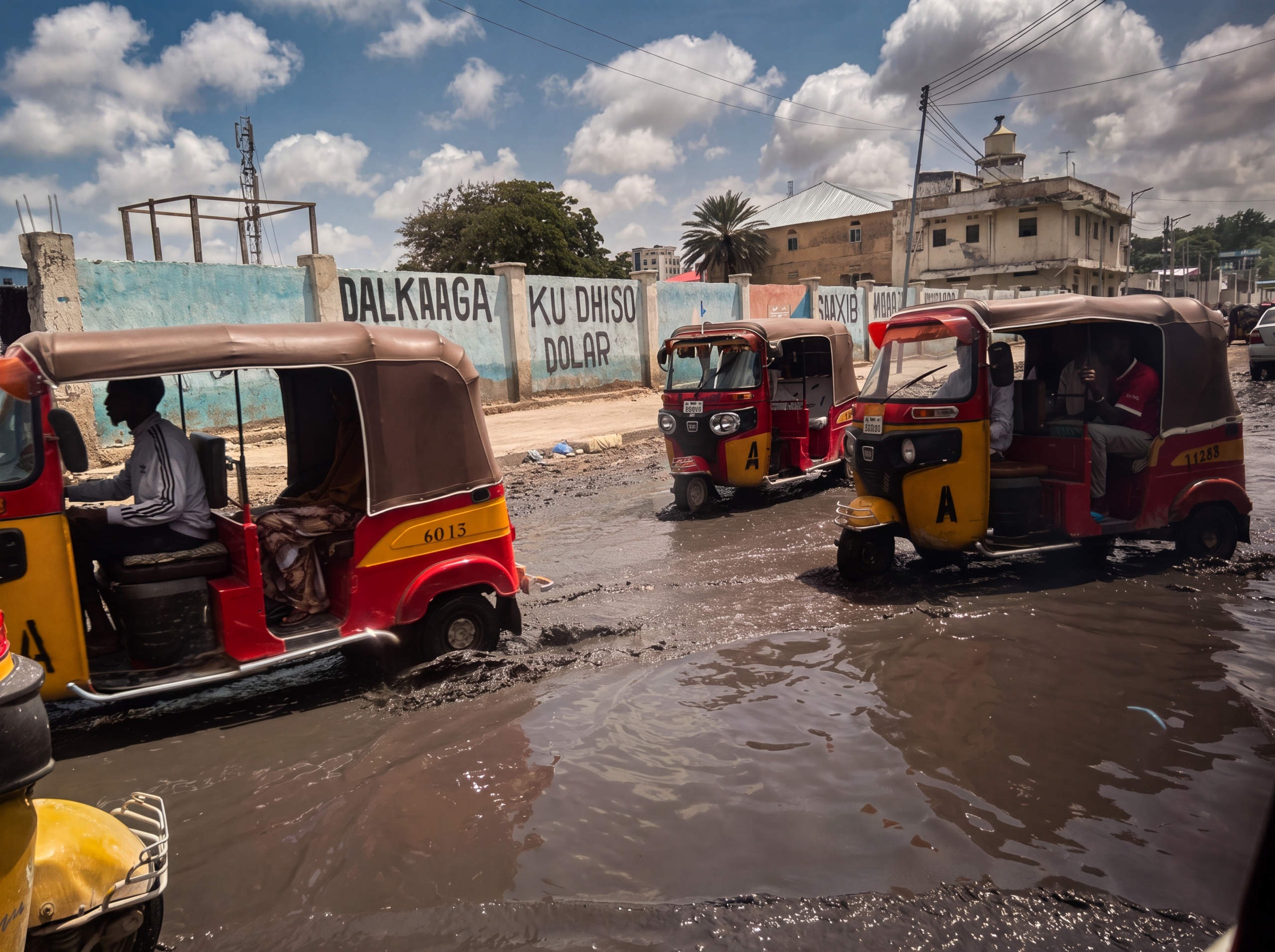
In recent years, Somalia has been undertaking a path of reconstruction and strengthening of its infrastructure, following decades marked by instability and conflict, primarily stemming from the 1991 civil war, the visible scars of which are still evident throughout the city of Mogadishu.
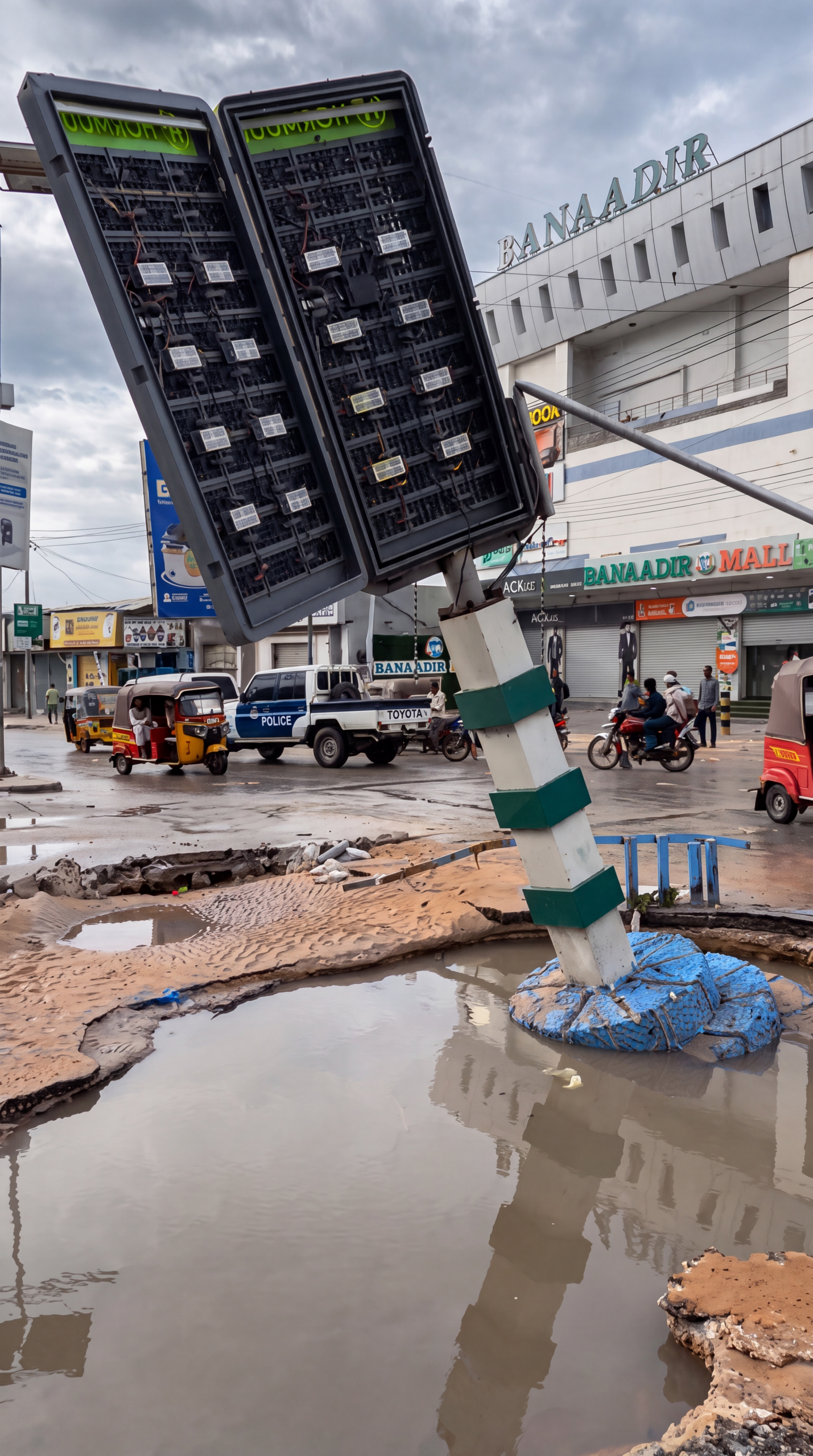
Within this complex yet promising context, the project known as Mogadishu Trunk Drainage represents a strategic intervention aimed at structurally improving the hydraulic resilience of the city — a metropolis of approximately three million inhabitants subject to recurring flooding due to outdated drainage infrastructure (dating back to the Italian colonial period), poorly maintained over the years, or entirely absent in the more recently developed areas. The project stands as a concrete contribution to the development of the territory, providing technical expertise, sustainable solutions, and an approach oriented toward long-term resilience and growth.
Funded by the World Bank and commissioned by UNOPS on behalf of the Banaadir Regional Administration (BRA), within the framework of the investment project known as SURP-II (Nagaad Project – Somalia Urban Resilience Project Phase Two), the design phase involves an international technical partnership comprising Hydro Nova, NET Engineering, and DESCON Architecture and Engineering Consultants, with the goal of designing a modern, efficient, and sustainable urban drainage network.
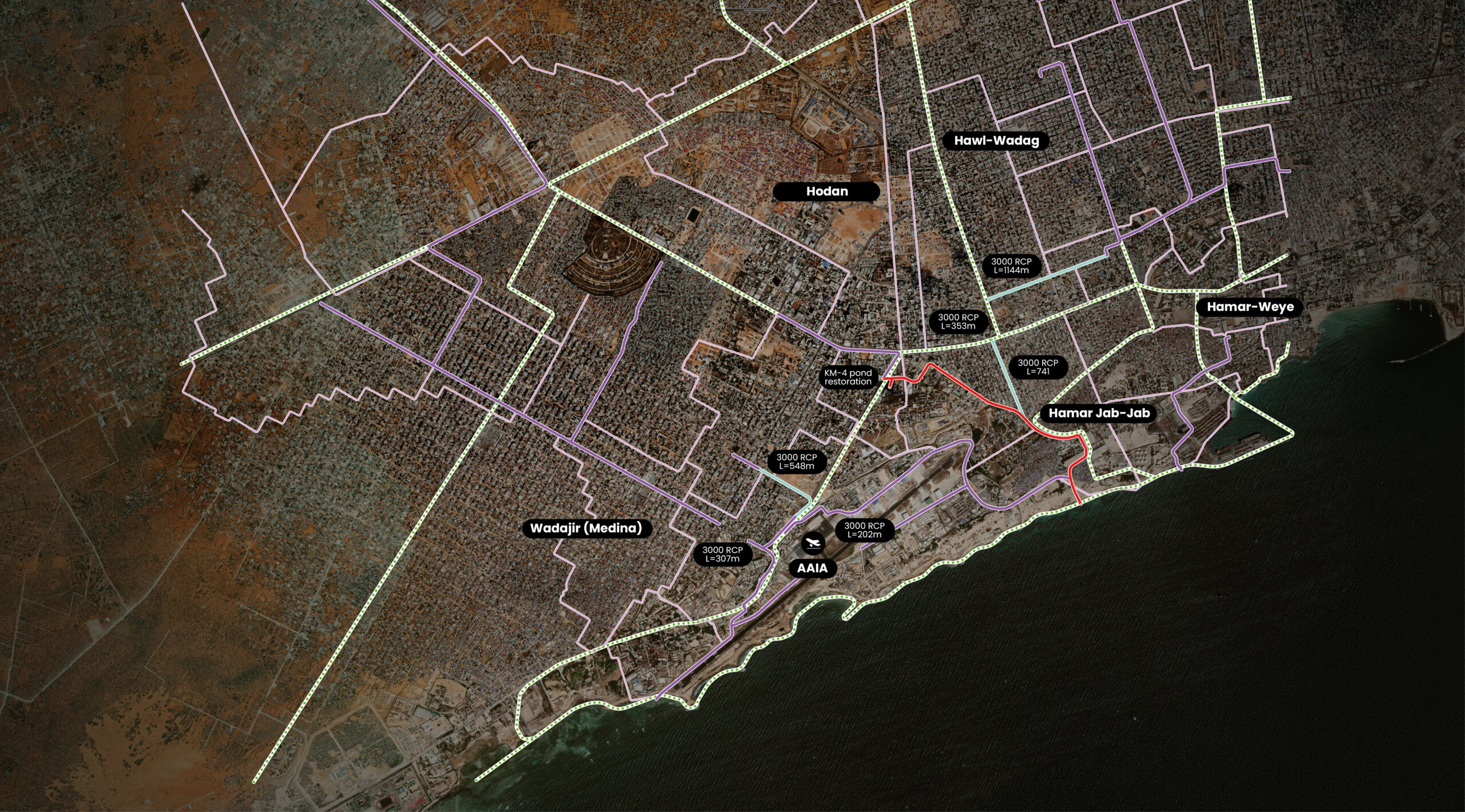
In general terms, the project involves the construction of a series of large-section main trunk collectors (up to six metres in internal width and four metres in internal height) running along the city’s streets. The network is divided into eight different “main trunklines” (including the drainage system serving the area of Aden Adde International Airport (AAIA)), for a total length of approximately 45 km, of which 4 km will be constructed using micro-tunnelling with an internal diameter of three metres.
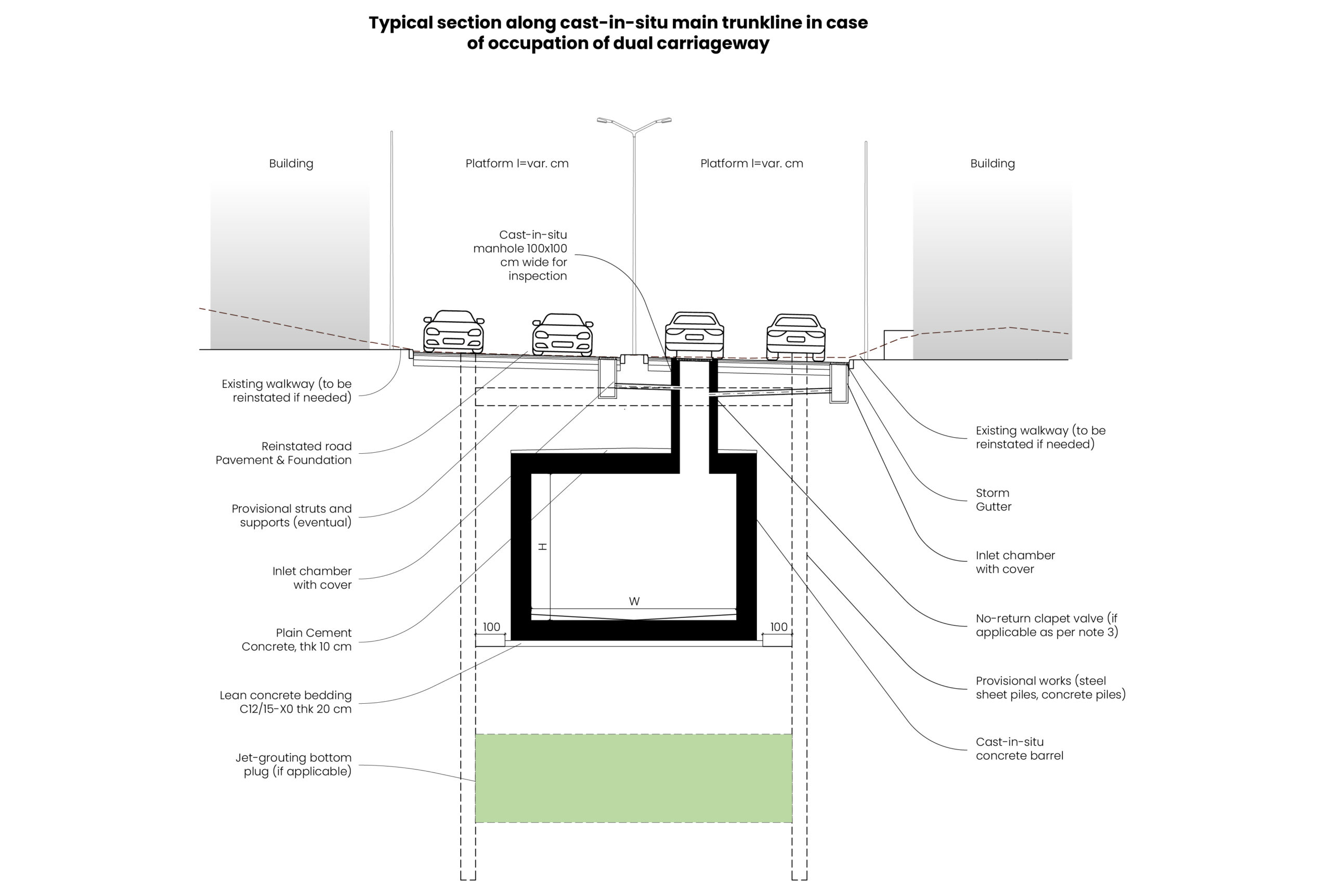
The project has been developed at Feasibility Study, Preliminary Design, and Detailed Design level, starting from a Master Plan drawn up by UNOPS in 2018, whose originally proposed alignments were reviewed and further refined through a detailed topographic survey and a bathymetric survey of the seabed near the areas where outfalls are planned.
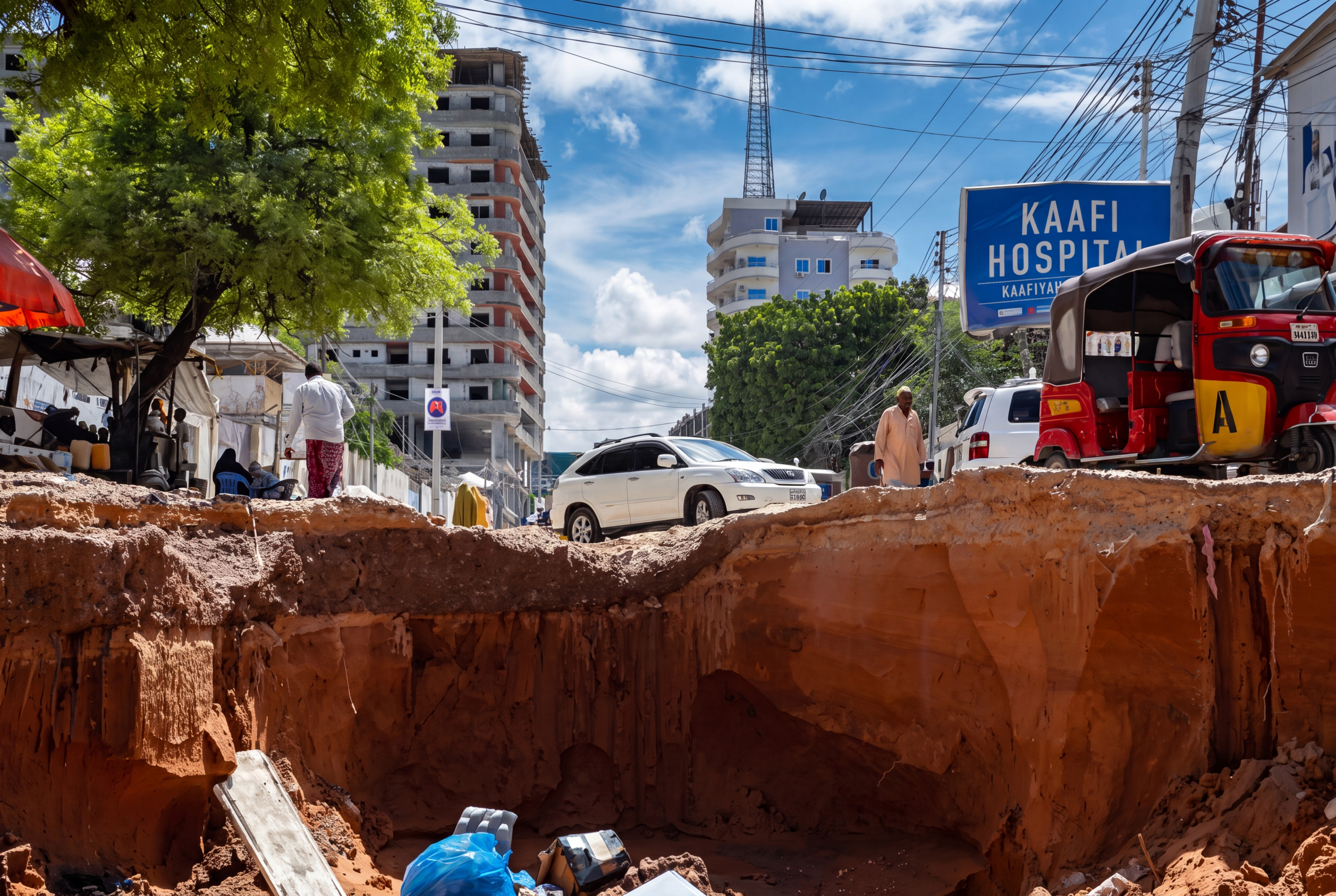
From a technical standpoint, the project is extremely challenging: the construction of large-section trunk-lines along streets surrounded by dense urban development heavily constrains excavation activities and requires the targeted use of both traditional and specialised excavation technologies, such as micro-tunnelling.
Geological conditions are equally complex, due to the alternation of loose sands and intensely fractured sandstone and limestone strata, which require diversified solutions for the temporary support of excavations, such as steel sheet piling, secant or contiguous pile walls, groundwater management through pumping, and jet-grouting base plugs near the coast.
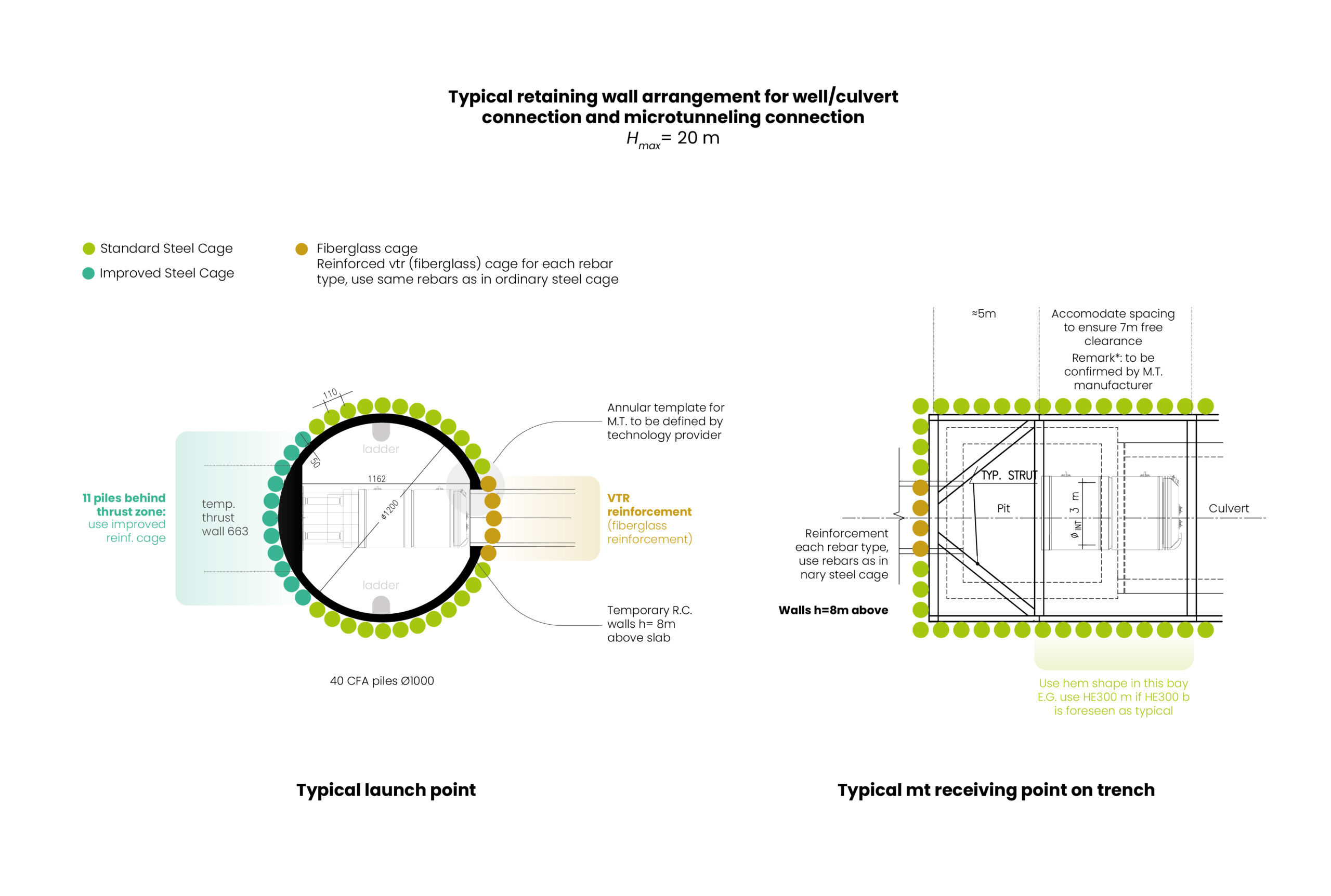
One key aspect concerned the use of micro-tunnelling technology, necessary to overcome a higher-elevation area running parallel to the coastline, where open-cut excavation is not feasible due to the considerable depths required.
This technology consists of full-face mechanised excavation carried out using a shielded boring machine (Micro-Tunnel Boring Machine – MTBM), remotely operated from a surface control station, allowing underground advancement with extreme precision without the need for personnel inside the tunnel.
The core of the operation lies in a system of hydraulic jacks positioned within a dedicated thrust shaft. The jacks initially push the MTBM forward and subsequently advance the pipe line, section by section.
During excavation, the spoil is mixed with water and bentonite slurry and transported to the surface through a closed hydraulic circuit. At the surface, the bentonite is separated from the remaining granular fraction at a treatment plant, allowing it to be reused.
A fundamental aspect of this technology involves overcoming the significant frictional forces that develop between the pipeline and the surrounding ground. Friction is first reduced through the injection of a bentonite-based lubricating solution around the outer surface of the pipe, which allows the length of a drive to be extended from a single thrust shaft.
When the force required to overcome frictional resistance exceeds the maximum thrust available from the jacks, intermediate thrust stations known as “interjack stations” are introduced along the pipe string. These stations consist of special telescopic joints equipped with their own hydraulic jacks, allowing the total required thrust to be distributed along the entire alignment. In this way, each section of the pipe string is pushed independently by the station preceding it, drastically reducing the compressive load on individual pipes and on the main thrust station located at the starting shaft.
The combined use of bentonite lubrication and intermediate thrust stations has made it possible to overcome the areas with greater overburden, allowing long distances to be covered in a single continuous drive.
Another fundamental aspect is the control of surface settlement induced by excavation. Deformation is limited through the application of counter-pressure at the excavation face using pressurised bentonite slurry. This counter-pressure is designed to balance the earth pressure and any hydraulic pressure present.
A further challenging aspect relates to the difficulty of movement within a city of this size, where security concerns persist, particularly for non-residents.
The involvement of local technical partners with the knowledge to engage effectively with the territory and the relevant authorities is therefore essential.
In addition to this, there is the Client’s requirement to modernise Mogadishu, incorporating sustainability criteria, environmental assessments, and possible Nature-Based Solutions (NBS): such systems have, in particular, been applied to the existing retention basins (“ponds”), which will be cleaned and connected to the network under design, while also ensuring compatibility with a future sewerage (black water) system.